

The Appeal Behind the Screens
Casino gaming has always been wrapped in a certain kind of glamour — lights, noise, possibility. Whether someone walks into a physical casino or signs in through a TonyBet login, the experience promises a moment where the ordinary rules of life feel suspended. There’s a thrill in placing a bet, a rush in watching numbers spin or cards land just right.
But the moment you step back from the excitement, a different picture appears. Casino gaming doesn’t exist in a vacuum. It sits inside the same economic structure that shapes wages, housing, healthcare, and every other part of daily life. The radical-left perspective starts here: the house isn’t just a metaphor. It’s a system. And systems, especially those driven by profit, rarely treat all players equally.
The Industry Built on Inequality
Casinos, whether digital or physical, operate on a simple principle: they generate profit through predictable mathematical advantage. What’s less acknowledged is how this profit often depends on social inequality. People with stable incomes may treat casino gaming as amusement, but many others are drawn by financial stress, hoping for a lucky break in a world where breaks seldom come.
In working-class cities, casinos often position themselves as sources of jobs and entertainment. But the jobs are typically low-wage, and the entertainment often becomes a cycle of spending without real return. In online spaces, the dynamic shifts but the logic stays the same: fast bets, fast losses, fast hope. Platforms encourage long sessions, quick deposits, and constant engagement.
The Psychology of The Spin
Casino gaming relies on emotional rhythm. Wins come just often enough to keep people engaged, and losses arrive softly, spread across many small bets. Digital design makes this even smoother: pleasant graphics, rewarding sounds, animations that feel comforting or exciting at just the right moment.
Two techniques appear again and again:
- Intermittent rewards, which create unpredictable excitement
- Frictionless play, where bets happen with one click, reducing awareness of money spent
The experience is crafted, not accidental. That doesn’t mean players are naïve — it means the industry has perfected ways of guiding attention, tension, and desire.
When Casino Culture Bleeds Into Everyday Life
What’s striking is how casino logic extends outside casinos. The broader culture encourages risk-taking framed as opportunity: volatile financial apps, gamified investments, gig-work incentives, reward systems that mimic slot machines. Even productivity tools use streaks, rewards, and bright colors.
Capitalism has learned from casinos, adopting their most effective psychological strategies. In that sense, casino gaming is more than a hobby or entertainment category — it’s a reflection of a society increasingly built on uncertainty disguised as choice.
The Communities Who Pay the Highest Price
It’s no surprise that the harshest consequences fall on the communities already struggling. Working-class neighborhoods, immigrant families, and precarious workers are often targeted with advertisements and promotions. When wages stagnate but costs rise, the idea of “maybe winning enough to breathe” becomes tempting.
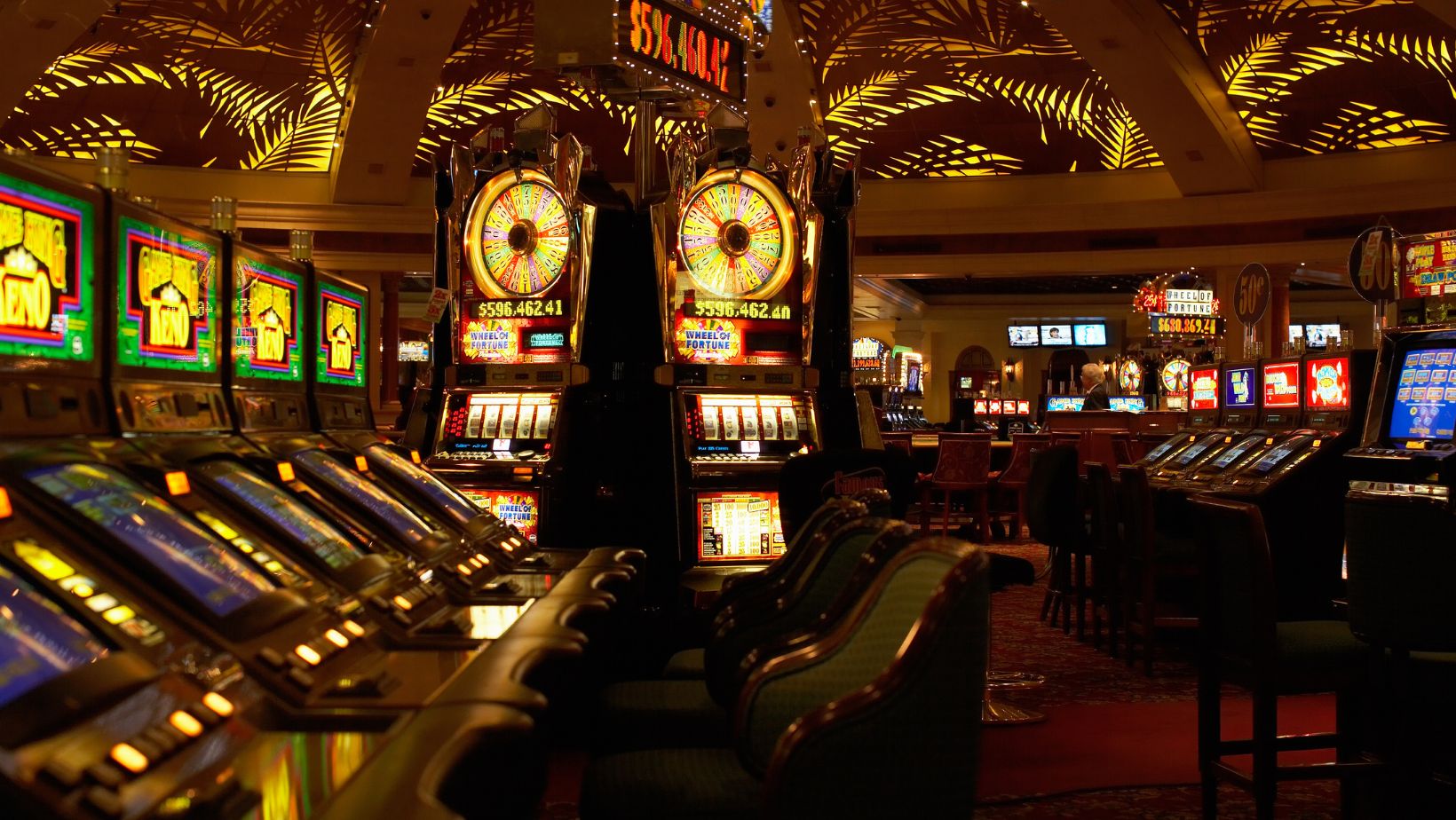
But the radical-left critique isn’t aimed at individuals who play. It’s aimed at the conditions that make gaming feel like one of the few spaces where luck might change. People deserve stability, not false hope. They deserve economic systems that don’t force them to gamble for a chance at comfort.
Alternative Ways to Play
Despite all this, gaming itself isn’t the problem. Games can be joyful, communal, creative. Card nights between friends. Low-stakes poker where laughter matters more than chips. Cooperative games that reward connection instead of competition.
These kinds of gaming spaces share two qualities:
- They don’t depend on profit, so the pressure fades.
- They center people instead of outcomes, restoring the sense of play.
The challenge isn’t to eliminate gambling altogether, but to imagine a world where people choose it freely — not because everything else feels locked behind economic barriers.
Imagining a Fairer Landscape
A leftist perspective asks broader questions:
Why do so many people feel pushed toward chance?
Why do entire industries profit from economic insecurity?
Why is entertainment most accessible when it risks turning into financial harm?
Casino gaming could be a simple pastime, but in a deeply unequal system, it often becomes a mirror reflecting the struggles beneath. Changing that means addressing the roots — fair wages, social support, community spaces, stable housing, and public joy that doesn’t require risk.
More Than Just a Bet
People will always enjoy games of chance. There’s something timeless about watching a card flip or a wheel slow down. But the goal shouldn’t be to eliminate the thrill — it should be to protect people from the structures that exploit it.
In a fairer world, casino gaming could be just that: gaming. A moment of excitement, a spark of adrenaline, a story to tell afterward — not a strategy for survival or a trap for those with few options.
Until then, understanding the system behind the screen is the first real win any player can claim.