
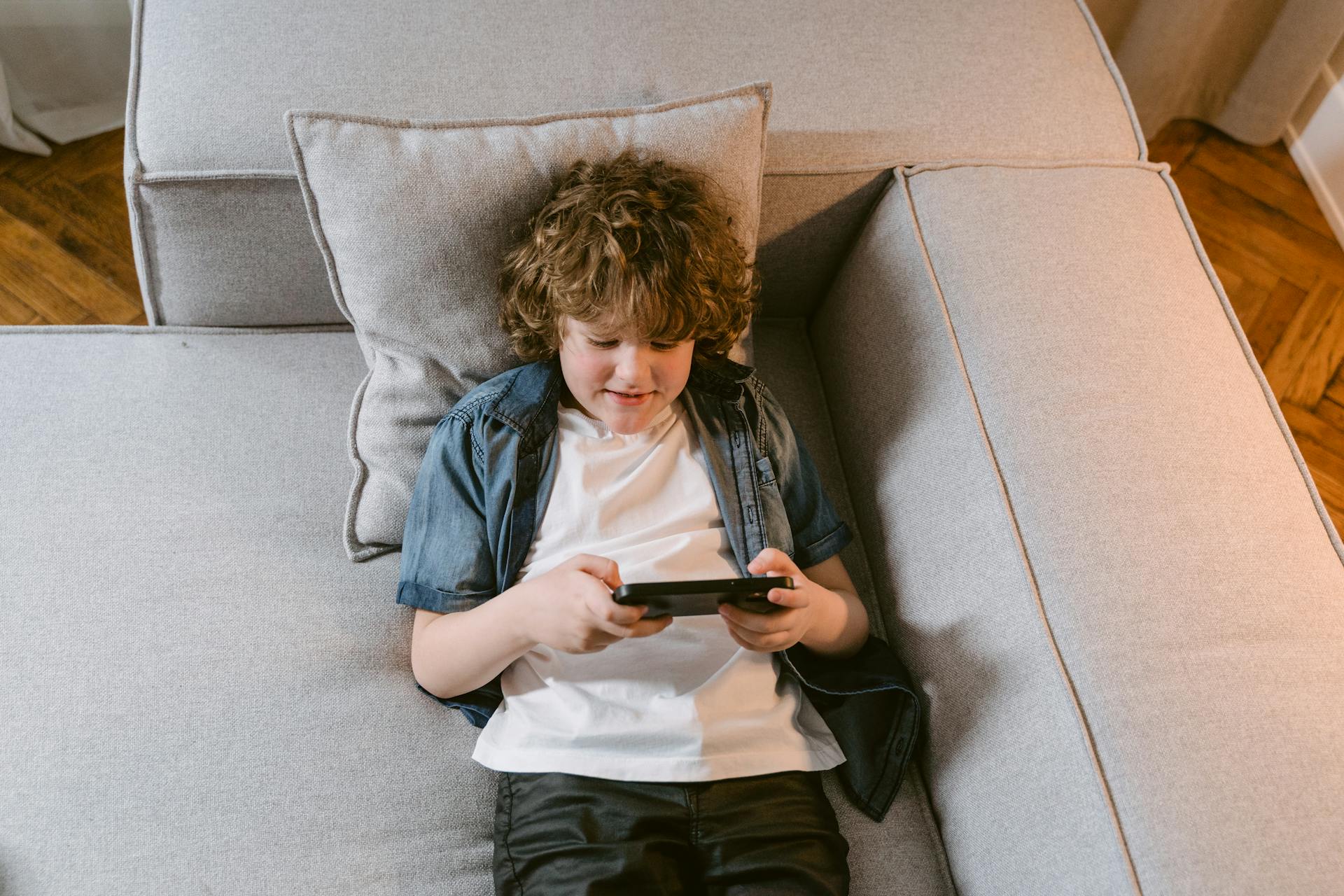
Losing feels bad. No one likes it. But in games, losing is not the end. It is part of the process. Every loss teaches something small. Over time, these small lessons start to change how people think, plan, and decide. What starts on a screen often shows up later in real life.
Games give a safe space to fail. You can lose and try again. You can make a bad choice and still continue. That simple loop helps the brain grow strong. It teaches patience, timing, and calm thinking.
Losing Teaches Pause Before Action
One of the first things games teach is when to stop. After a loss, players often pause. They think about what went wrong. They look for patterns. This habit becomes natural with time. The same pause helps in daily life too.
When people face stress at work or school, they stop rushing. They think before reacting. They ask simple questions like, what did I miss? what can I do better next time? This habit comes from many small losses in games.
Some players even notice this when using online systems that need calm choices, like checking account settings or logging into services such as 22Bit login, where rushing often leads to mistakes. Games train people to slow down, read carefully, and move with care.
Losing Builds Emotional Control
A loss brings emotion. Anger, sadness, or even shame. Games force players to face these feelings again and again. At first, the emotions feel big. Over time, they feel smaller. Players learn to stay calm while things go wrong.
This calm carries into real life. When plans fail, gamers often handle it better. They know feelings pass. They know one mistake does not end everything. This emotional control helps with money choices, relationships, and work tasks.
People who play often also learn that chasing a win rarely helps. Instead, stepping back helps more. That lesson is powerful and lasts long after the game ends.
Losing Trains Better Planning Skills
Games reward players who plan. If you rush, you lose again. If you think ahead, you last longer. After many losses, players start planning before acting. They check tools, timing, and resources.
This skill is useful everywhere. In real life, planning helps people save time and avoid stress. They learn to prepare before meetings, trips, or big choices. All because games taught them that poor planning leads to fast loss.
Small Losses Make Big Thinkers
Losing small often saves players from losing big. Games teach this without words. When you lose early, you learn faster. When you lose late, it hurts more. Players start choosing safer paths when needed.
This thinking helps with money, time, and energy in daily life. People begin to ask simple questions before big moves. Is this worth it? Can I wait? Should I try another way?
These questions come from game habits, even if players do not notice it at first.
Losing Builds Respect for Limits
Every game has limits. Time runs out. Lives end. Resources finish. Players learn that limits are not bad. They are part of the system. Once players accept this, they stop fighting the rules and start using them.
In real life, limits help people stay balanced. They know when to stop working, when to rest, and when to say no. This respect for limits helps avoid burnout and bad choices.
Losing Teaches Learning Without Shame
Games remove shame from mistakes. You fail, then try again. No one judges you. This makes learning easy. People start to enjoy the process of getting better instead of fearing failure.
That mindset is rare in life, but games build it naturally. Players become open to feedback. They ask questions. They try new ways without fear. This makes growth faster and more fun.
Over time, losing becomes a teacher instead of a punishment. That lesson stays forever.
Losing Turns Fear Into Curiosity
After many losses, players stop fearing failure. They become curious instead. What happens if I try this? What if I wait? What if I change my path? This curiosity leads to better decisions.
In real life, curiosity opens doors. It helps people learn new skills, change jobs, or fix problems without panic. All because they learned to lose without fear.
Why Losing Is a Hidden Gift
Games do not tell you this directly, but losing is the real training tool. Winning feels good, but losing builds skill. It builds patience. It builds calm. It builds thought.
People who learn to lose well make better choices later. They plan more. They rush less. They listen more. They recover faster.