
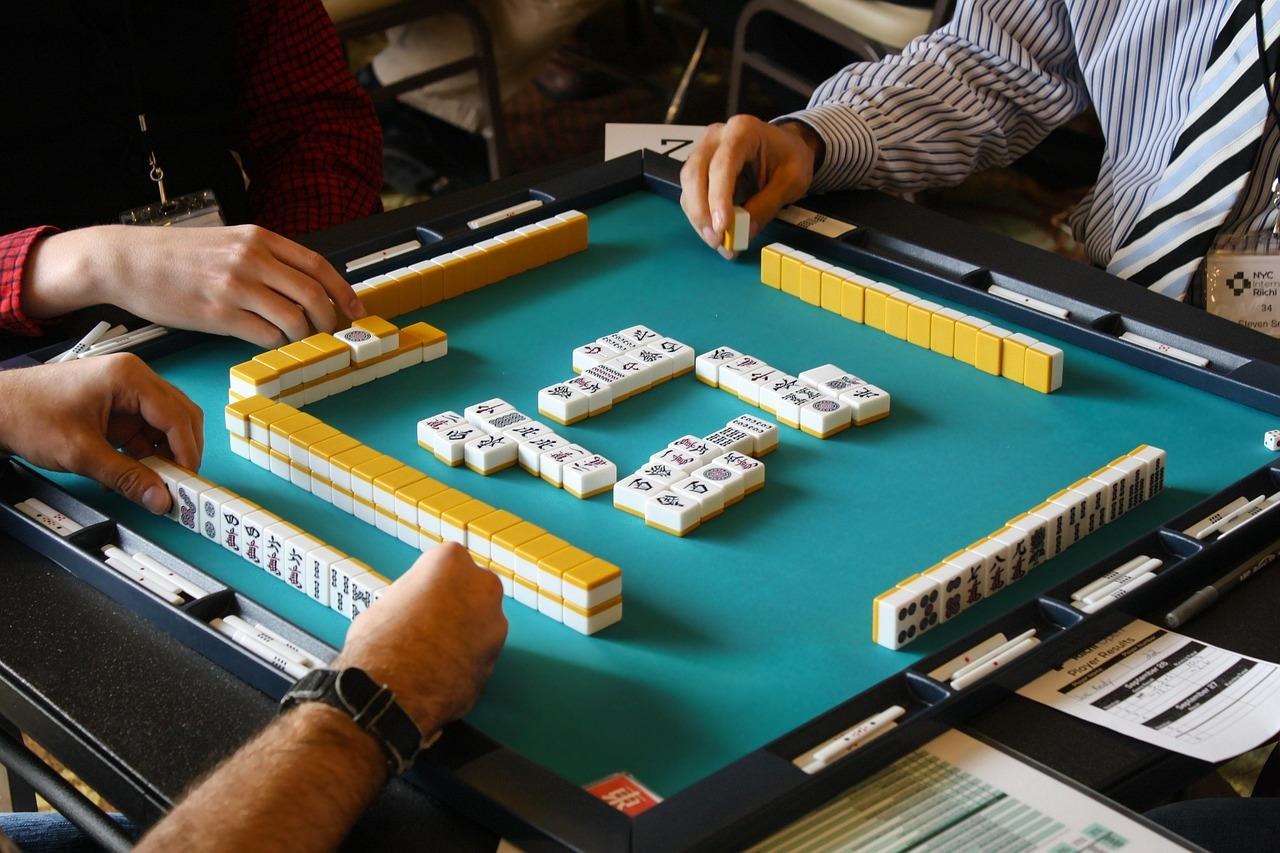
If you’ve passed by Chinatown or any Asian communities around Lunar New Year, you’re likely to hear the distinctive “click-clack” sound as players “washing” (shuffling) the heavy tiles. For centuries, gambling has served as an entertainment and social activity that connects people during festivals and everyday gatherings.
Today, while gambling remains deeply embedded in the culture, these traditional habits coexist with a much bigger gaming scene in Asia, which has grown from a recreational activity into an industry that contributes to the economy and tourism.
Gambling in Major Regions in Asia
Gambling has historically played a role in the cultures of many Asian societies, often linked to luck, fate, and tradition particularly in social or festive contexts. Traditional games like Mahjong are common in social gatherings, while in certain places like Macau, it has developed into a large-scale commercial industry.
Macau
Widely known as the “Las Vegas of Asia”. The city, with a population of around 700,000, has a high concentration of large casino resorts. Classic casino games like Baccarat, Blackjack, roulette, and slot machines dominate casino floors, with high-rolling VIP players in private rooms.
Hong Kong
Just a ferry or bus ride from Macau, Hong Kong’s gambling scene is centered around The Hong Kong Jockey Club, which oversees horse racing, football betting, and the Mark Six lottery. Meanwhile, the growing interest in digital gaming has led many players to turn to online gambling sites in Hong Kong for a wider variety of games.
Singapore
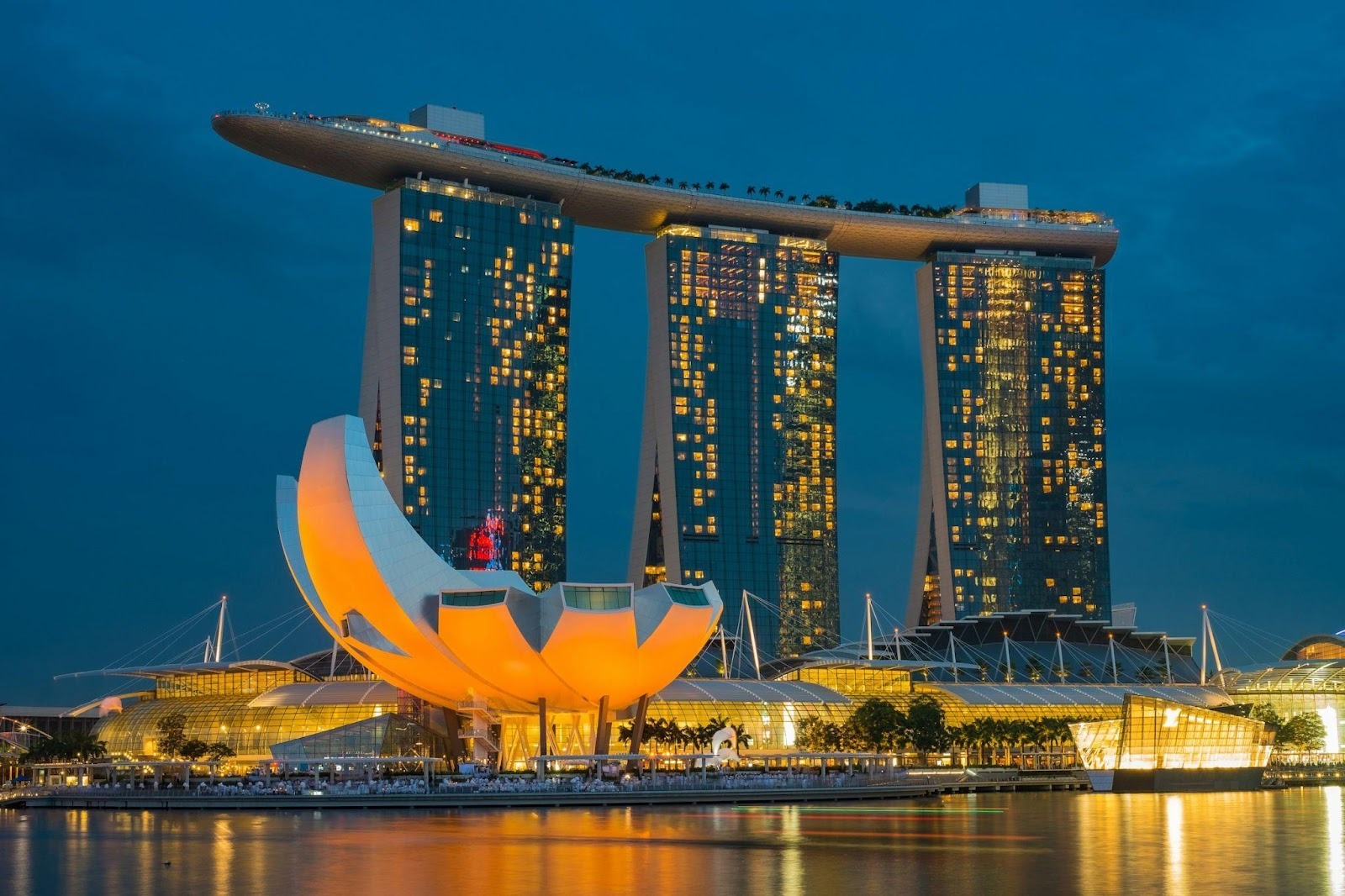
Singapore operates atightly regulated casino market centered around Marina Bay Sands and Resorts World Sentosa, offering traditional table games and slot machines. The casinos focus on generating tourist revenue, with entry levies for residents and strict regulatory controls implemented.
China (Mainland)
Other than the fact that Mahjong is widely played in homes and social clubs, only the China Welfare Lottery and theChina Sports Lottery are officially recognized legal betting channels. Small, casual wagers among friends and relatives are normally classified as entertainment.
Japan
When it comes to gambling in Japan, pachinko, the mechanical arcade-style game, immediately comes to mind, with public sports betting such as horse racing, bicycle racing, powerboat racing, and motorcycle racing, and government-run lotteries operating year-round.
More recently, casinos have been legalized through integrated resort development, with the country’s first casino resort expected to open in Osaka in late 2030.
South Korea
While Kangwon Land remains the only venue open to local residents, most casinos like Paradise City Casino in Incheon target foreign visitors. The locals can legally participate in horse racing, sports betting, and government-run lotteries. Esports betting is growing rapidly, with the most popular titles including League of Legends, DOTA 2, and EA FC (previously FIFA).
Southeast Asia
The Philippines and Cambodia have developed major casino hubs serving international tourists, with the former managing its gambling industry through PAGCOR, which oversees casinos, e-games, and sports betting.Online gambling has also emerged as a lucrative sector in both countries. Vietnam allowslimited local gambling at places such as Casino Phu Quoc, while Thailand bans most gambling, but it still tolerates betting on cockfighting as a “cultural tradition”.
Traditional Gambling Practices in Asia
Although gambling policies differ across regions, gambling remains a major part of culture, tradition, and social life in Asia.
Games such as Mahjong are valued not only for entertainment but also for strengthening family bonds and community connections during festivals, particularly the Lunar New Year, as well as during gatherings and occasions such as weddings.
Winning in such activities, including cockfighting in parts of Southeast Asia, is often linked to ideas of luck, fortune, and auspicious timing. Meanwhile, pachinko in Japan is commonly seen as a way to escape stressful work routines and as a social outlet.
The Shift to Regulated Casino Markets
In some markets, traditional gambling habits have evolved into regulated casino and online gaming sectors across Asia. Many governments introduced gambling laws and licensing systems to control illegal activity, collect tax revenue, and attract tourism investment while promoting safer practices.
In Macau, Asia’s leading regulated gaming hub, official projections estimate the city’s casino gross gaming revenue to reach MOP 236 billion in 2026, supported by a shift toward entertainment-led tourism driven by growing income from concerts, shows, and MICE events.
Singapore shows a similar shift, with the country setting high standards for regulated integrated resorts such as Marina Bay Sands and Resorts World Sentosa. Meanwhile, the Philippines operates one of Asia’s largest gambling markets and has also moved toward integrated resort development in major projects such as Resorts World Manila.
Stay Safe on Digital Platforms
Digital platforms and mobile gaming have become an important part of industry development across Asia. Smartphone access has made online betting and gaming services more widely available in many markets. The rise of e-wallets and QR payment systems has also simplified deposits and withdrawals.
In response, governments have introduced licensing systems and regulatory frameworks to monitor operators and protect users. Many platforms now apply responsible gaming tools such as age verification, identity checks, and spending limits to enhance online gaming security, creating safer digital gaming environments for users across the region.