
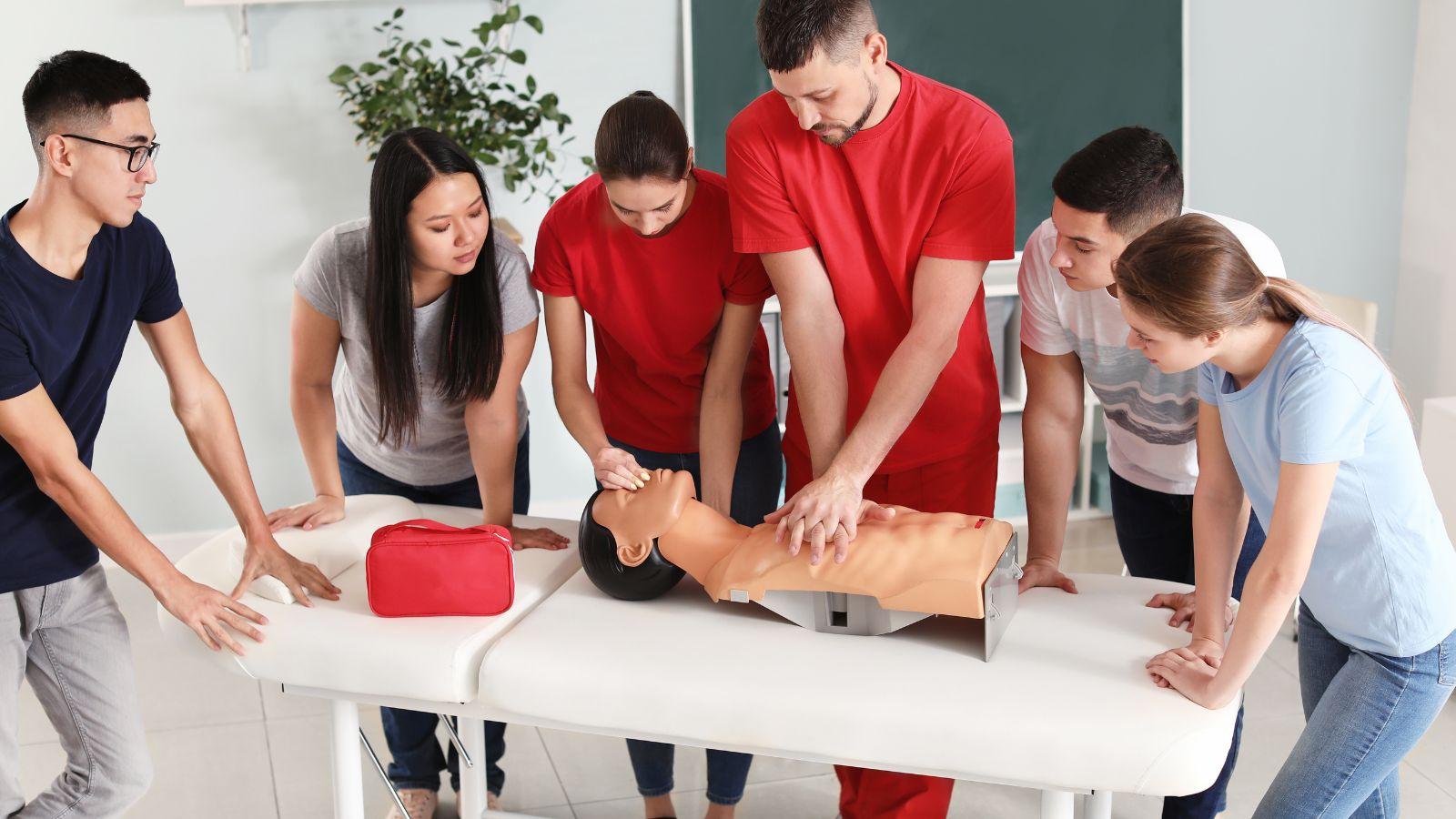
Implementing certified safety training within commercial operations protects employees from unexpected health crises and physical workplace hazards. Blended learning frameworks allow businesses to achieve total regulatory compliance by combining self-paced digital lessons with short, active practical sessions. This proactive approach builds organizational resilience while maintaining daily production goals.
Every forward-thinking business leader knows that maintaining a safe working environment is fundamental to long-term success. But true workplace safety goes far beyond checking off basic maintenance tasks. What happens if a staff member experiences a sudden cardiac event during a high-stakes meeting? Investing in professional Coast2Coast CPR Training Los Angeles ensures your entire workforce is fully prepared to take decisive action when every second counts.
Why is emergency readiness a core business asset?
Many corporate teams look at health certification as a minor administrative hurdle. But when a real physical crisis occurs, that preparation becomes an invaluable company asset. Having certified team members on the floor prevents minor office accidents from escalating into severe medical complications. It establishes an internal workplace culture built on mutual care and active responsibility, which naturally increases employee confidence and morale across all departments.
How does the blended learning model solve corporate scheduling headaches?
The hardest part of organizing safety classes for a large group is finding a block of time that does not halt your daily operations. Traditional multi-day lectures pull essential personnel away from client deadlines and project goals. Blended learning removes this bottleneck completely. Your staff log into a flexible digital platform to complete all video walkthroughs and conceptual quizzes from home. Once that online theory is complete, they gather for a highly efficient in-class session focused strictly on building physical muscle memory.
What vital life-saving skills are emphasized in a standard course?
A comprehensive certification course handles a diverse mix of everyday medical challenges that can happen in any office or public retail space. Your workers will learn to handle sudden pressure calmly.
The standard curriculum highlights:
- Recognizing the initial physical warning signs of a stroke or heart attack.
- Managing severe external bleeding using proper direct pressure.
- Providing quick choking relief for victims of all ages.
- Operating an Automated External Defibrillator safely during a sudden event.
Are public external defibrillators completely foolproof?
It is very common for employees to feel a wave of anxiety when they see a public access defibrillator box hanging on a corporate wall. They worry they might press a wrong button or cause physical harm during a rescue. Physical training completely removes that tension by demonstrating how automated these modern devices truly are. The AED uses clear voice prompts to guide the user through each step. It will absolutely refuse to send an electrical shock unless its internal computer identifies a specific, fatal heart pattern. To read more about workplace safety standards or check out educational resources, you can visit https://www.c2cfirstaidaquatics.com/ at any time.
If you are looking for first aid training near the University of Southern California, South Union Avenue, or other areas close to our facility, then you may reach out to Coast2Coast First Aid/CPR – Los Angeles in that area. For more info and articles like this visit:https://www.c2cfirstaidaquatics.com/
Frequently Asked Questions
1. Is this certification course OSHA compliant? Yes, our first aid and CPR/AED courses fully align with OSHA guidelines and meet local workplace health and safety compliance standards.
2. How long does the in-person practice session take? Since you finish all the theory work online ahead of time, the in-class skills practice is fast and usually takes only a few hours.
3. What is the difference between standard CPR and BLS? Standard CPR is built for regular citizens and workplace safety teams. Basic Life Support (BLS) is an advanced option for nurses, doctors, and first responders.
4. How long is my safety certification valid? Most standard certifications remain valid for two years before you need to complete a brief recertification course.
5. How quickly will my team receive their digital certificates? Official digital certificates are processed quickly and emailed directly to each participant shortly after they successfully finish the physical skills session.