
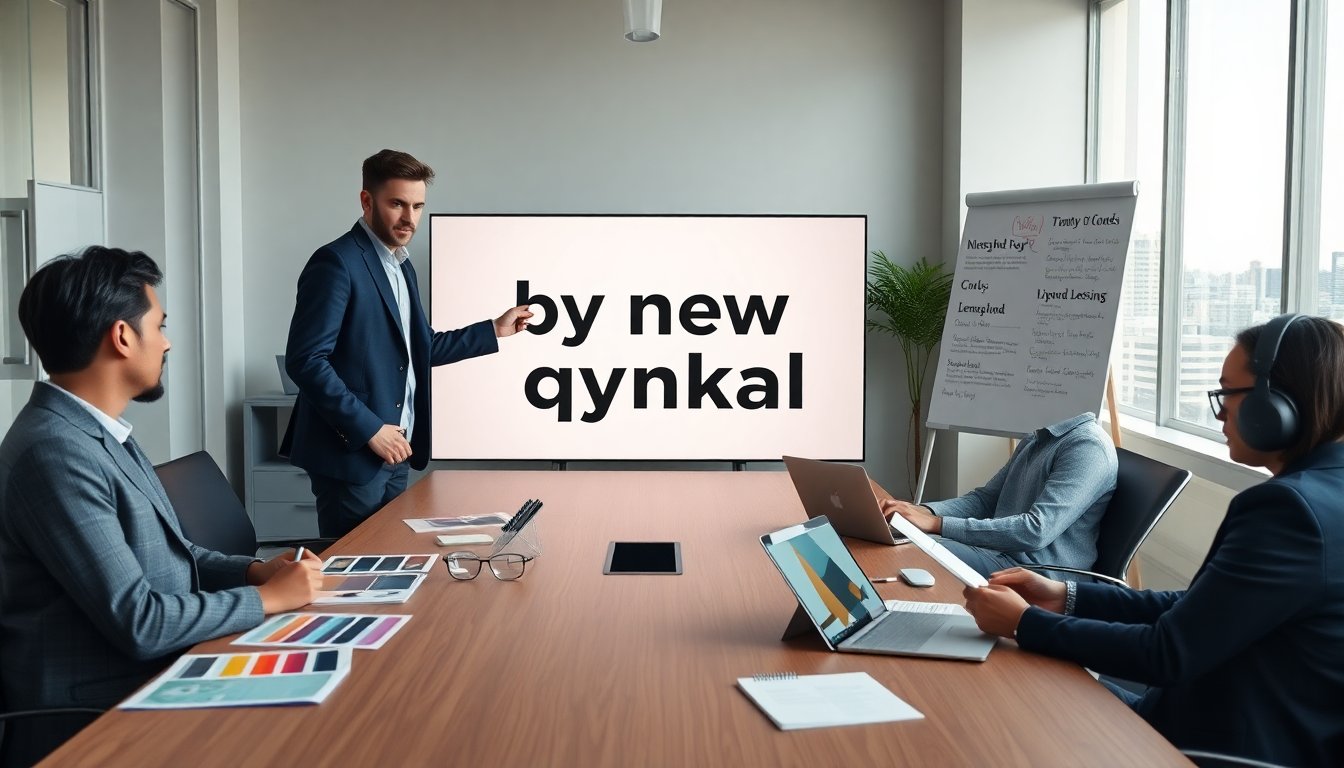
The phrase by new by qynadalith vynkal appears online and in speech. Analysts note that the phrase acts as a signal, motif, or name. It draws attention for its rhythm and rarity. Readers who study language find the phrase useful for testing meaning, use, and spread. This article maps likely meanings, origins, cultural appearances, and respectful uses of the phrase by new by qynadalith vynkal.
Key Takeaways
- The phrase “by new by qynadalith vynkal” functions as a distinctive linguistic motif used to signal novelty, authorship, or thematic tone in various creative contexts.
- Its origins likely stem from creative or niche online usage, blending constructed language elements and poetic repetition, making it a subject of linguistic and cultural study.
- Artists, musicians, writers, and online communities employ the phrase to evoke rhythm, ambiguity, or identity, often adapting its meaning to fit different media and audiences.
- Respectful use of the phrase involves acknowledging its cultural significance, crediting sources, and avoiding harmful or misleading associations to ensure its positive evolution.
- In branding and marketing, testing audience response to the phrase before wide adoption is crucial, alongside legal checks to prevent trademark conflicts.
- Continual monitoring and adaptation in artistic and community settings help maintain the phrase’s relevance and prevent misuse or dilution over time.
What The Phrase Might Mean: Interpretations And Themes
Many readers treat by new by qynadalith vynkal as a composite label. Linguists read it as a sequence: a preposition, an adjective, a repeated preposition, and a distinct proper name. Some interpret the phrase as a statement of renewal that points to a person or figure. Others treat it as a chant or mantra that opens a text or performance. Analysts also note themes of repetition, contrast, and identity. In practice, the phrase can mark a shift in tone, signal authorship, or act as a stylistic tag. Writers often adapt the phrase to mean either novelty or lineage depending on context.
Possible Origins And Linguistic Roots
Researchers trace similar constructions to ritual speech and to modern branding. The repeated preposition resembles poetic devices that foreground action and place. The final two words, qynadalith vynkal, follow patterns of constructed names that use consonant clusters and soft vowels. Etymologists suggest influences from fantasy naming, conlang experiments, or internet handle creation. The phrase may also derive from a collage of foreign roots and invented morphemes. Its origin likely stems from a creative user or small group that used the phrase in a post, song, or image. Once the phrase appeared publicly, others copied and adapted it. That spread created the pattern that observers now study.
How The Phrase Appears In Art, Music, And Literature
Contemporary artists use by new by qynadalith vynkal as a title, motif, or lyric fragment. Musicians place the phrase at the start of tracks to create a hook or to signal a concept piece. Visual artists paint the words as layered text that contrasts with images. Poets insert the phrase as an incantation or refrain to set mood and to test rhythm. Small presses and zines use the phrase on covers to attract niche readers. Fan communities remix the phrase in fan fiction and in image edits. Each use highlights sound, rhythm, and ambiguity. The phrase works because it resists a single meaning and invites interpretation.
How To Use The Phrase Respectfully And Creatively
Users should treat the phrase as a shared cultural token. They should avoid claiming false origin or attaching the phrase to harmful content. They should credit sources when a clear origin exists. Creators can test the phrase in small projects before broad use. They should also monitor responses and revise use if communities object. Respectful use helps the phrase persist and evolve without harm.
Using The Phrase In Writing, Titles, And Branding
Writers can place by new by qynadalith vynkal at the start of a piece to set tone. Editors can use it as a recurring motif to build unity across chapters. Brands should test the phrase with target audiences before adoption. Marketers can use the phrase in limited runs to measure response. Legal teams should check trademarks if a brand wants wide use. Authors can reserve the phrase for niche projects to avoid dilution.
Using The Phrase In Music, Visual Art, And Performance
Musicians can repeat by new by qynadalith vynkal as a hook in a chorus. Visual artists can layer the phrase over images to create dissonance or emphasis. Performers can use the phrase as a cue for a mood shift or choreography change. Creators should test rhythm, pacing, and placement. They should also record audience reactions to refine use. Small iterations help artists find effective placement for the phrase.
Using The Phrase In Online Communities, Memes, And Social Contexts
Community members post by new by qynadalith vynkal as a meme tag or a reaction line. Moderators should track misuse and set clear rules. Meme creators should attach context to prevent misreading. Influencers should cite sources when they know origin. Users who adopt the phrase should respect cultural limits and avoid weaponizing it. When the phrase spreads, community norms shape its meaning and tone.