
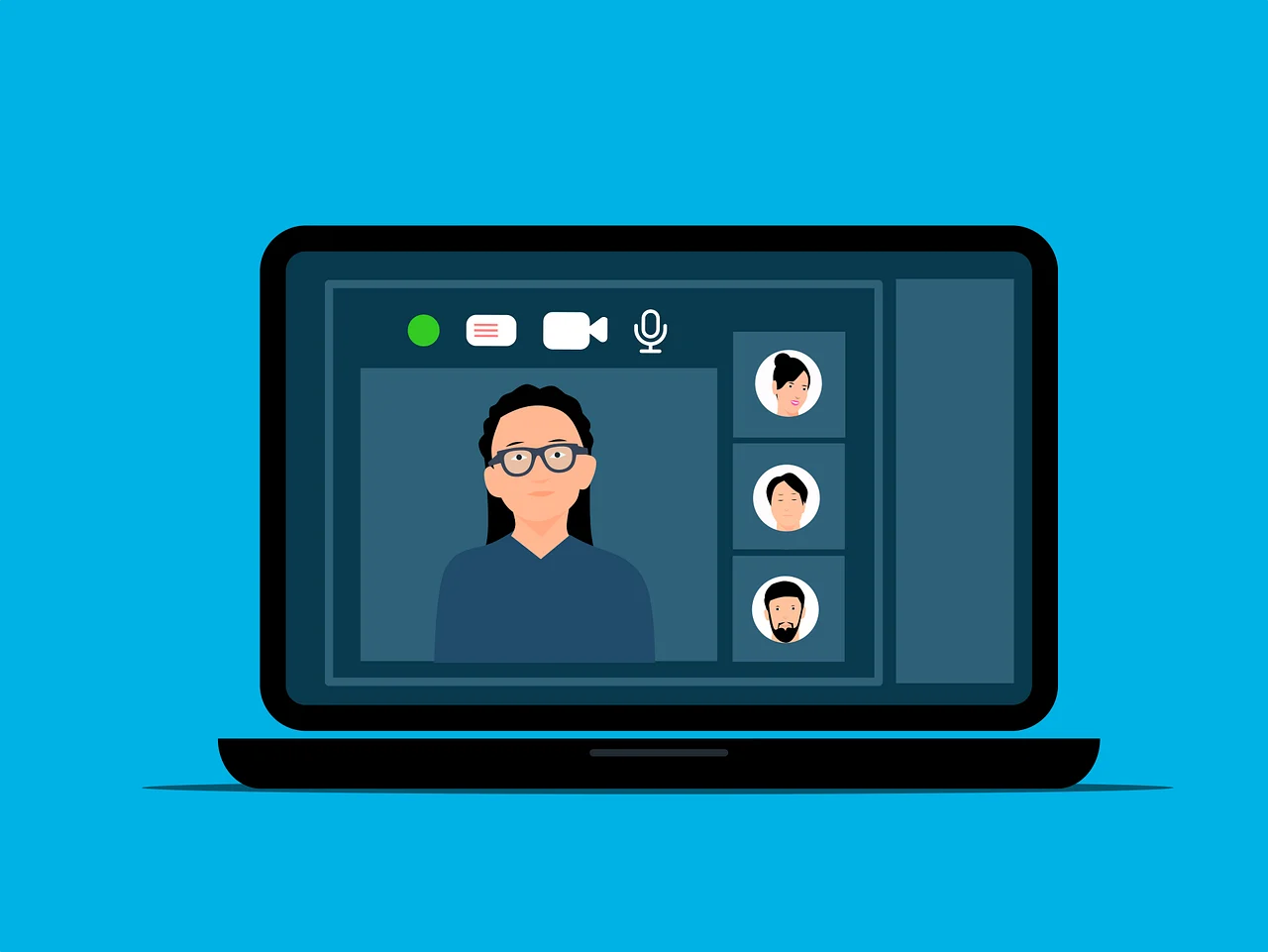
Mental health professionals work with some of the most sensitive information anyone can share, and protecting that trust reaches well beyond the walls of the therapy room. The way therapists research conditions, market their services, and manage their online presence has shifted almost entirely into the digital space. Each of those activities quietly leaves a trail.
Most practitioners rarely stop to think about what their own browsing reveals. Every site you visit can log your location, your device, and the subjects you explore, and for someone whose reputation depends on discretion, that exposure deserves real attention. The tools meant to make a practice more efficient can, without much thought, become a source of quiet risk.
What a Mobile Proxy Actually Does
A properly selected mobile IP proxy routes your internet traffic through IP addresses that cellular carriers assign to genuine mobile devices. Because of that, your requests appear to come from an ordinary smartphone user rather than a fixed office connection.
For a therapist who values privacy, a properly configured mobile proxy can sit between your personal identity and your online activity as a genuine buffer. These addresses are shared among thousands of real subscribers and rotate frequently, which makes singling out any one person far harder than it sounds.
Why Privacy Deserves Extra Care in This Field
Confidentiality is not just an ethical preference for clinicians. It is a legal and professional obligation, and clients assume it covers far more than what happens during a session.
When a therapist researches a rare condition or looks up an unfamiliar medication, that search says something. A proxy helps keep those digital breadcrumbs from painting an unintended picture. Search engines, apps, and the sites you browse all record more than most people realize, and that record rarely disappears.
The Benefits Worth Knowing
- Discreet Professional Research
Clinicians look up symptoms, medications, treatment protocols, and diagnoses they rarely encounter. Running that research through a masked IP makes it much harder for advertisers, data brokers, or curious onlookers to assemble a profile from those queries. That distance matters most when the topics themselves could hint at a particular client’s circumstances.
- A Lower Chance of Being Blocked
Many websites flag or block traffic that originates from datacenter servers, which is exactly where cheaper proxies and VPNs tend to live. Those working with patients and their well-being do not need this added stress.
Mobile IPs carry more inherent trust because carriers share them across huge numbers of legitimate users. Blocking a single mobile address risks locking out real people, so platforms usually leave that traffic alone, and you get steadier access as a result.
- Checking Your Local Search Visibility
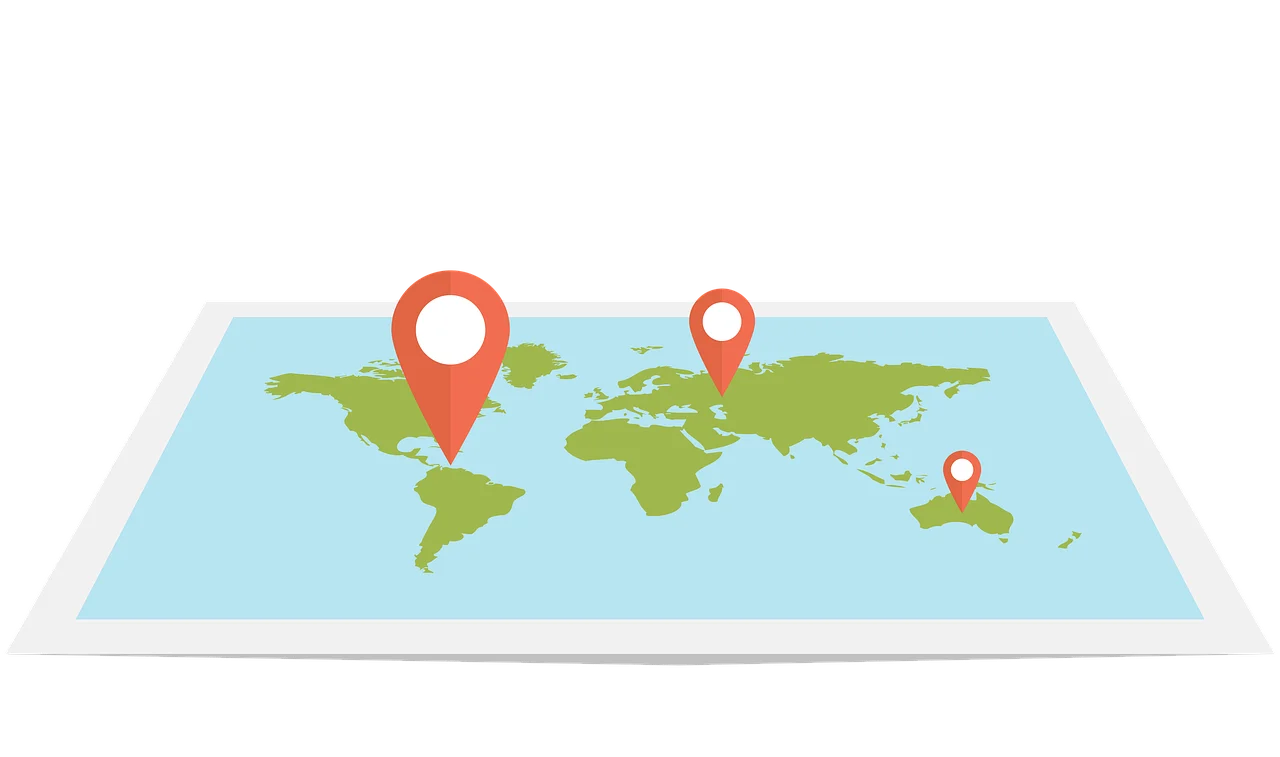
Most new clients discover a practice through local search. A proxy lets you view how your listing appears from different cities or neighborhoods instead of only from your own desk.
Because search engines tailor results to a searcher’s location, what you see from your office may look nothing like what a potential client three towns over encounters. Seeing those differences firsthand takes the guesswork out of improving your reach.
- Verifying Ads and Directory Listings
If you run paid ads or keep profiles on therapist directories, you naturally want them displaying correctly to the audience you are trying to reach. Viewing them through a mobile IP shows you roughly what a real user in that area sees. It becomes an easy way to spot broken links, incorrect hours, or ads that never actually surface.
- Managing Practice Accounts More Safely
Plenty of therapists run separate social media pages for their work. Logging into several accounts from one office connection can trip security systems and cause temporary lockouts.
Sending each account through its own mobile address reduces those interruptions and keeps your professional presence steady. Agencies and consultants who manage pages for multiple clinics hit the same wall, only magnified, so keeping each identity on its own address holds the whole operation together.
- Reaching Region-Restricted Resources
Certain journals, professional forums, continuing education platforms, and research databases limit access based on where you are. A mobile proxy can open the door to material that might otherwise be unavailable locally, which helps practitioners who train, collaborate, or supervise across borders. This matters for clinicians who hold licenses in more than one country or attend virtual conferences hosted elsewhere.
- An Added Barrier Against Tracking
Data brokers stitch together surprisingly detailed profiles from the traces people scatter online. Rotating your visible IP and separating your identity from your traffic makes that profiling noticeably less reliable. For a professional bound by confidentiality, trimming your own footprint feels like a natural extension of the care you already show clients.
A Few Honest Limitations

A proxy is a privacy tool, not a full security system, and it helps to be clear about that. Standard proxies hide your IP, yet they do not automatically encrypt your connection the way a trustworthy VPN does, so combining the two makes sense on unfamiliar networks.
More importantly, no proxy replaces HIPAA-compliant, encrypted platforms for storing or sending client records. Picture a mobile proxy as protection for your research and everyday browsing, never as a vault for protected health information.
Bringing It All Together
Privacy in mental health care has always meant far more than locking a filing cabinet at the end of the day. As practice keeps moving online, that same instinct for discretion belongs with the digital tools you lean on constantly.
A mobile proxy will give therapists a practical, low-effort way to research quietly, verify their public presence, and shrink their digital footprint. In a field built on nothing so much as trust, small habits that protect that trust are always worth building.