
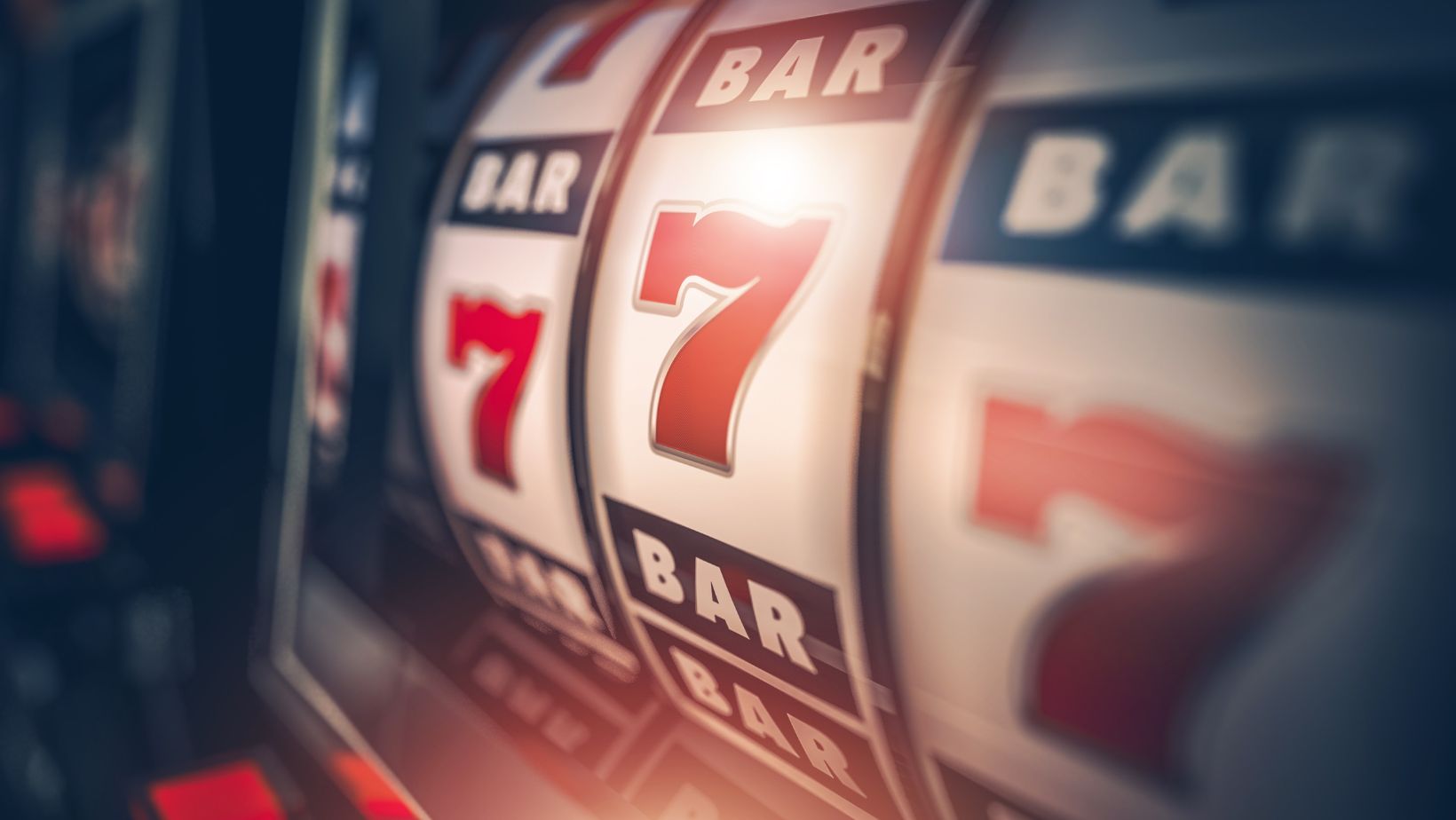
Casinos are facing a new kind of player. Gen Z grew up with games where progress is clear, steady, and earned. They expect XP bars, skills to unlock, and rewards tied to how they play. A spin or a bet is not enough on its own. They want growth. They want upgrades. They want a sense of direction inside every game they touch. This shift has pushed casinos like Azur slot to rethink how they build their games.
How XP Systems Work in Casino Games Today
Some modern casino games now use XP bars that rise with each action. Players gain XP for spinning, betting, or trying features. When they level up, they unlock theme changes, small boosts, or cosmetic rewards. This does not alter the odds of winning money. It changes the feeling of the game. The player feels like they are moving upward. That sense of motion keeps them engaged for longer.
Progression as a Layer on Top of Luck
A fun shift is happening. Luck is still the core of gambling. But now, casinos add a second layer. This layer rewards time and consistency. A player may lose a round but still move forward on their XP bar. This softens the emotional blow of chance. It also makes the game loop smoother. Players feel that something always grows, even when the outcome is not in their favor.
The idea of skill trees
Skill trees were once for RPG fans. Now they appear in casino design. But these skill trees work in a simple way. You do not spend points to increase your odds. Instead, you choose how you want your experience to feel. One branch may unlock new themes. Another may offer new animations. A third may open side challenges that sit next to the main game. The player gets a sense of choice without bending house rules.
How Casinos Create Safe Skill Choices
Casinos must follow strict rules. They cannot let upgrades change the fairness of a game. So skill choices stay cosmetic. A player may unlock new soundtrack styles. They may access bonus rounds that trigger at the same odds as before. These skill paths create the illusion of personal growth. This approach keeps them legal while still giving players a reason to progress.
How Battle Pass Ideas Enter Casinos
Gen Z loves battle passes. They offer tiers, milestones, and season-long missions. Some casinos now use similar ideas. A player completes goals like “spin ten times” or “try a new feature.” Each goal gives rewards. A season may last a month. At the end, everything resets. Then the cycle begins again. This keeps the game fresh. It also meets the need for short, goal-based play sessions.
A look at long-term motivation
Older slot machines focused on instant gratification. New systems mix short and long goals. You may earn XP fast. But unlocking a rare reward takes time. This long path creates loyalty. Players enjoy watching a meter fill over days. It matches the rhythm of modern gaming. Slow progress feels normal now.
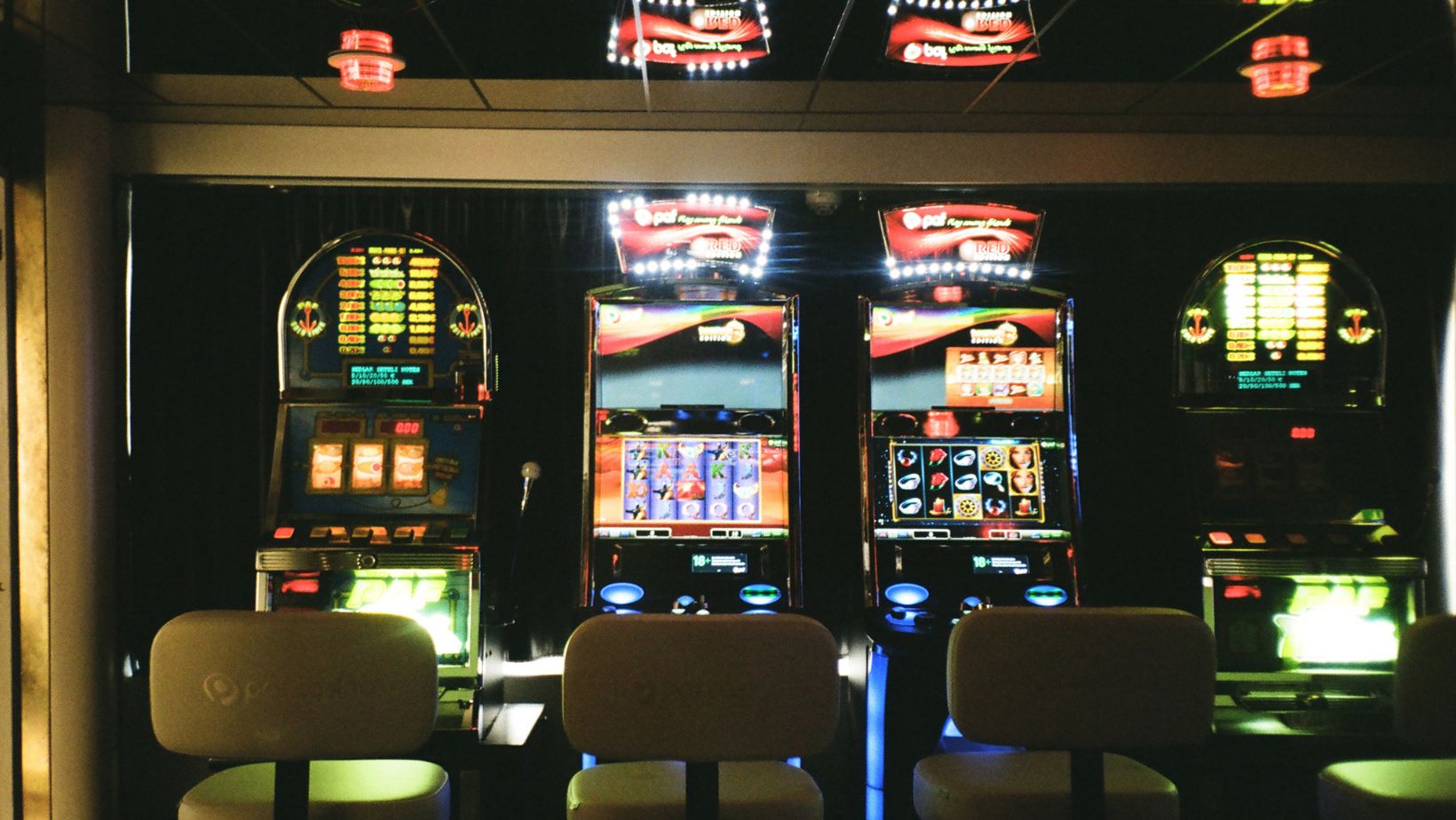
Why Casinos Study Gen Z Play Patterns
Casinos want to match the habits of younger players. Gen Z jumps between apps fast. They enjoy tasks that take a few seconds. Their sessions may be short but frequent. They expect feedback right after each action. Casinos use XP and level-ups to fit that rhythm. A spin can give a reward even when no money is won. A short break can still push the player toward a new level. These features help keep attention in a fast-paced life.
Customization as a New Currency
Gen Z values identity. They play games where they can choose skins, badges, and banners. Casinos see this trend. Many new gambling games let players unlock visual themes. Some let them build a profile with colors or symbols. These changes do not affect the game results. But they make the player feel at home. They also mirror the status systems found in online games.
Social Pressure and Shared Progression
In gaming, people like to show off achievements. Casinos now copy this idea with leaderboards and shareable badges. When a player levels up, they can show it to others. This taps into the same energy that drives players to post achievements on social apps. The goal is not to show wealth. It is to show progress. This is a soft, safe way to mix social status with casino design.
Daily Missions That Keep Players Returning
Many casino games now add small quests. “Play one round.” “Try a new feature.” “Win once today.” These missions are simple. They do not force long sessions. Gen Z players enjoy short tasks. They check in, complete a mission, and leave. This aligns with how they play mobile games. It also matches the rise of micro-hobbies. You do a little each day. Over time, you build something bigger.
Mini-Challenges and Choice-Based Paths
Casino designers also add side challenges. These create small bursts of excitement. A player may unlock a secret path after a milestone. These paths are not risky. They are meant to keep the experience varied. This structure mirrors the branching paths in games like strategy titles or roguelikes. The player feels like the game has layers.